How to Use Automation in FL Studio | Complete Guide 2026
How to Use Automation in FL Studio is one of the most powerful tools producers use to make their tracks dynamic, modern, and professional. Whether you want your synth to fade in slowly, increase the reverb during a breakdown, pan vocals from left to right, or build tension using filters during a drop — automation makes it all possible.
FL Studio gives you full control over almost any parameter: volume, panning, effects, plugin knobs, tempo, filters, pitch, and much more. This guide explains what automation is, why it matters, and a step-by-step process to help you start using automation confidently in your music productions.
What Is Automation in FL Studio?
Automation is the process of recording or drawing changes over time in your music. Instead of manually adjusting knobs during playback, How to Use Automation in FL Studio follows a pre-designed automation curve to move parameters automatically.
In simple words:
Automation lets FL Studio adjust any setting for you, exactly when you want it to happen.
Common things producers automate:
- Volume (fade-ins, fade-outs, drops)
- Filter cutoff and resonance
- Reverb and delay levels
- Pan left/right movement
- Plugin parameters (e.g., Serum, Sytrus, Gross Beat)
- Tempo changes
- Pitch bends
- Mix levels
Automation helps turn static loops into expressive, living compositions.
Why Automation Is Important in Music Production
How to Use Automation in FL Studio is essential for adding movement and emotion to your track. Without automation, most sounds feel flat and robotic. With automation, they become alive.
Benefits of Using Automation:
1. Adds Expression and Energy
A filter sweep or rising volume creates excitement before a drop. Reverb automation adds space and emotion.
2. Improves Transitions
Automation helps you transition between verse and chorus smoothly by gradually adjusting volume, effects, or filters.
3. Controls the Mix More Precisely
Instead of leaving everything at the same level, you can automate small increases or decreases to improve clarity.
4. Makes Your Tracks More Professional
All modern EDM, Trap, Lo-Fi, Hip-Hop, and Pop tracks use automation to sound polished.
How to Use Automation in FL Studio (Step-by-Step)
Below is a complete, beginner-friendly guide on How to Use Automation in FL Studio clips effectively.
Step 1: Choose Any Parameter You Want to Automate
In FL Studio, almost every knob, slider, or setting can be automated.
Examples:
- Channel volume
- Mixer track volume
- Plugin parameters
- Fruity effects
- Tempo knob (for bouncy 808 tempo swings)
- Pan knob
- EQ filters
Tip: Start with something simple like volume or filter cutoff if you’re doing automation for the first time.
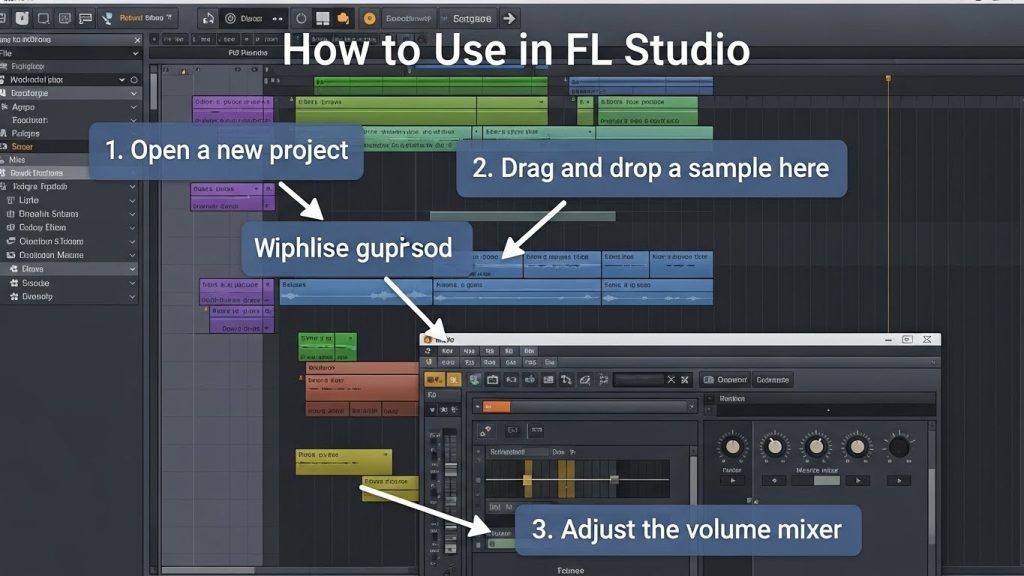
Step 2: Right-Click the Parameter and Select “Create Automation Clip”
This is the easiest method and the most commonly used.
How to create an automation clip:
- Find the knob/slider you want to automate
- Right-click on it
- Select Create automation clip
FL Studio automatically places a new automation clip in the Playlist.
You will see:
- A horizontal line
- Control points (default start and end points)
- A curve that represents the change over time
This clip controls that exact parameter throughout the track.
Edit the Automation Clip (Drawing Curves & Points)
Now the fun part begins — shaping your automation to match your music.
How to edit the clip:
- Left-click on the automation line to add a control point.
- Right-click to delete a point.
- Left-drag to move it.
Automation points allow you to create:
- Fade-ins
- Fade-outs
- Build-ups
- Drops
- Wavy or rhythmic movements
- Smooth curves
- Sharp transitions
Use Tension Handles for Smoother Curves
Every point has a small handle you can drag to make:
- Smooth curves
- Sharp slopes
- S-curves for transitions
This helps make your music sound more natural and less robotic.
Automate Effects for More Creative Sound Design
How to Use Automation in FL Studio isn’t just for volume. You can automate almost any effect knob inside the mixer or plugins.
Examples:
1. Filter Sweep Automation
Automate a low-pass filter to hide highs during a verse and reveal them during the chorus.
2. Reverb Build-Up
Increase reverb during a pre-drop to add space.
3. Delay Throw
Automate delay to appear only on specific words of vocals.
4. Gross Beat Automation
Popular in Trap and EDM.
Automate:
- Time presets
- Gating
- Reverse effects
5. EQ Automation
Automate EQ frequencies for:
- Bass transitions
- High-pass risers
- Removing muddiness during verses
Effects automation is where creativity becomes limitless.
How to Automate Volume in FL Studio
Volume How to Use Automation in FL Studio is the most common and easiest to understand.
Method 1: Channel Volume Automation
Right-click the channel volume → Create Automation Clip
Method 2: Mixer Volume Automation
Right-click the mixer fader → Create Automation Clip
TIP: Mixing engineers often prefer mixer automation because it behaves more naturally.
Popular uses:
- Fade in intros
- Fade out outros
- Lower vocal volume during overlapping frequencies
- Make drops hit harder
- Smooth transitions
How to Use Automation in FL Studio Filters
Filter automation is essential for EDM, Trap, House, Lo-Fi, and cinematic music.
Steps:
- Add Fruity Filter or Fruity Parametric EQ 2
- Right-click the cutoff or band
- Choose Create Automation Clip
- Draw a rising curve for build-ups
A simple high-pass filter sweep can add enormous energy to your arrangement.
How to Automate Plugin Parameters
Everything inside a synth or VST plugin can be automated:
- Serum
- Sylenth1
- Massive
- Harmor
- Sytrus
- GMS
- Flex
- 3xOSC
Simply:
- Move any knob inside the plugin
- Go to the top-left plugin menu
- Click Last Tweaked
- Select Create Automation Clip
This method is useful when plugins don’t support right-click automation directly.
How to Record Automation in Real-Time (Live Automation)
If you want your automation to feel natural and human, FL Studio lets you record it.
Steps to record automation:
- Turn on Recording Mode
- Enable Automation from the recording options
- Hit Record
- Move knobs manually as your track plays
FL Studio will create automation clips based on your performance.
This method is great for:
- Mixing live
- Recording filter sweeps
- Recording live panning
- Creating human-like imperfections
How to Organize Automation Clips for Better Workflow
Large projects often become messy if automation clips aren’t managed properly.
Tips to stay organized:
1. Rename Automation Clips
Right-click → Rename
Example: “Bass Volume Automation” or “Vocal Reverb Rise”
2. Color Code Clips
Choose a unique color for each automation type.
3. Put Automation in Separate Playlist Lanes
Keep all automation below the main tracks.
4. Group Automation Clips
Select clips → Press Ctrl + G
5. Use the Browser to Manage Automation
Left panel → Current Project → Automation
Good organization helps you work faster and more cleanly in big projects.
Advanced Automation Tips (Pro-Level Techniques)
Once you understand basic automation, these tricks will make your tracks sound even more professional.
1. Use LFO Automation for Rhythmic Movement
FL Studio allows automation to work like an LFO by using:
- Waveforms
- Stepped curves
- S-shaped curves
Great for:
- Wobble basses
- Rhythmic pads
- Melodic movement
2. Automate Tempo for Bouncy 808 Beats
Right-click the tempo knob → Create automation clip.
Use this technique for:
- Jersey Club
- Hyperpop
- Drill
- Experimental beats
3. Layer Multiple Automation Clips
Example:
- Volume automation + filter automation
- Pan automation + reverb automation
Combined automation makes your sound design more impactful.
4. Use Automation to Fix Mixing Issues
Automation can solve problems like:
- Sibilance
- Harsh frequencies
- Sudden peaks
- Unbalanced instruments
Instead of using heavy compression, a simple automation point can clean your mix.
5. Automate Your Master Channel (Carefully)
Master automation can create transitions:
- High-pass sweeps
- Tape-stop effects
- Drop impact effects
- Gain reduction for tension
Use it sparingly to avoid damaging your mix.
Common Automation Mistakes to Avoid
Even experienced producers make these mistakes. Avoid them for cleaner results.
1. Using Too Many Automation Clips
This creates confusion and a messy project.
2. Sharp, Unnatural Automation Jumps
Always use curves for smooth changes.
3. Automating Volume on the Wrong Channel
Mixer volume is usually better than channel rack volume.
4. Forgetting to Name Clips
Unnamed automation clips cause chaos in bigger projects.
5. Overusing Automation FX
Too much automation can clutter your mix and distract listeners.
Final Tips for Mastering Automation in FL Studio
Automation is a skill that improves the more you use it. Here are some final pro tips:
- Use automation to build emotion and tension.
- Combine multiple automation clips for unique sound design.
- Keep your project organized with names and colors.
- Use tension handles to create smooth professional curves.
- Experiment with live automation recording.
- Don’t overdo it — less is often more.
Conclusion
How to Use Automation in FL Studio is more than just a technical tool — it’s the secret ingredient behind professional-sounding music. From dynamic transitions to expressive sound design, automation lets you shape your track with precision and creativity. By following the steps and tips in this guide, you can transform your static patterns into evolving, energetic, and emotional productions.
Whether you’re creating EDM, Trap, Lo-Fi, Pop, or cinematic music, automation will take your sound to the next level. Start small, experiment with curves, automate your favorite plugins, and keep refining your workflow. With practice, automation becomes second nature — and your music becomes more alive than ever.